
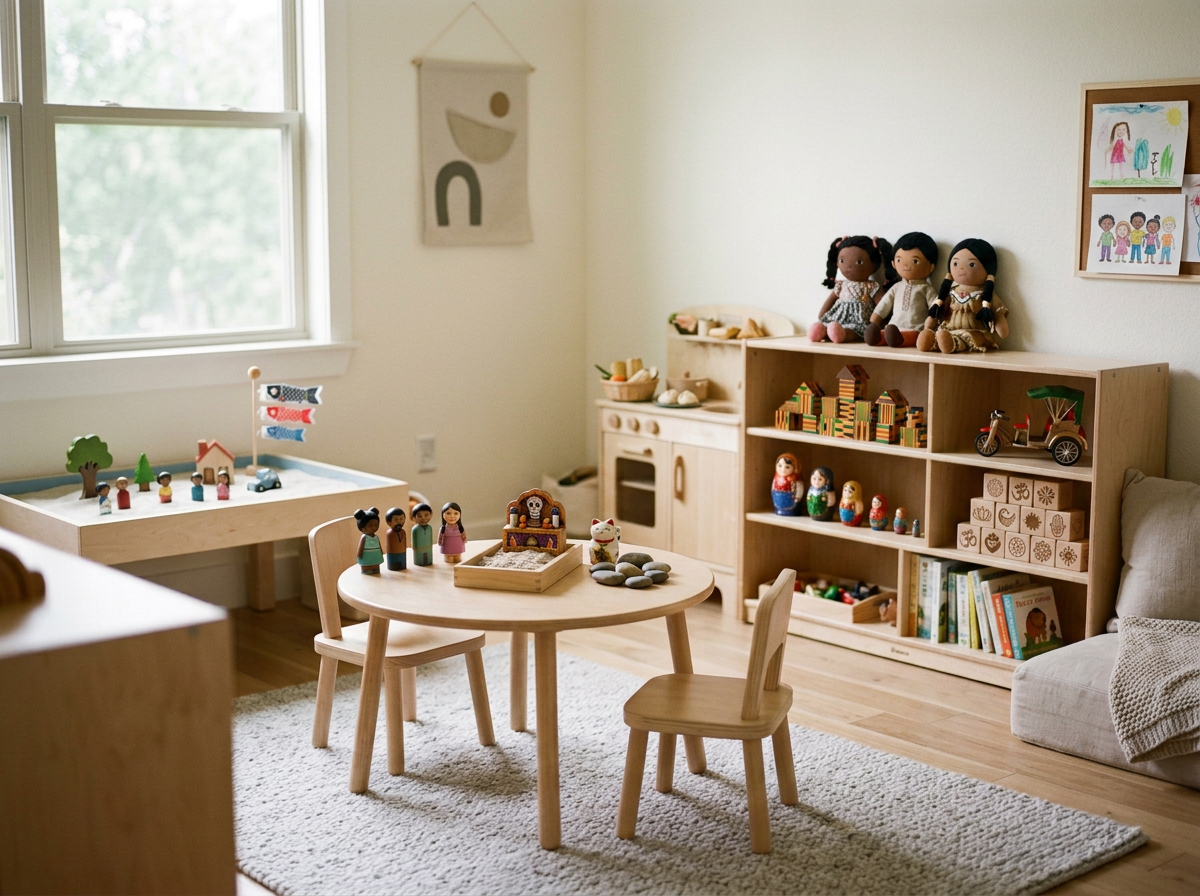
Play Therapy and Parent Consultation
Our Approach
Vanda Counseling Collaborative provides Child-Centered Play Therapy, a developmentally appropriate and evidence-based approach for play therapy for children. We care about the developmental needs of your child as well as the concerns that are bringing you to therapy. Our counselors are collaborative and work along side you to support the family needs.
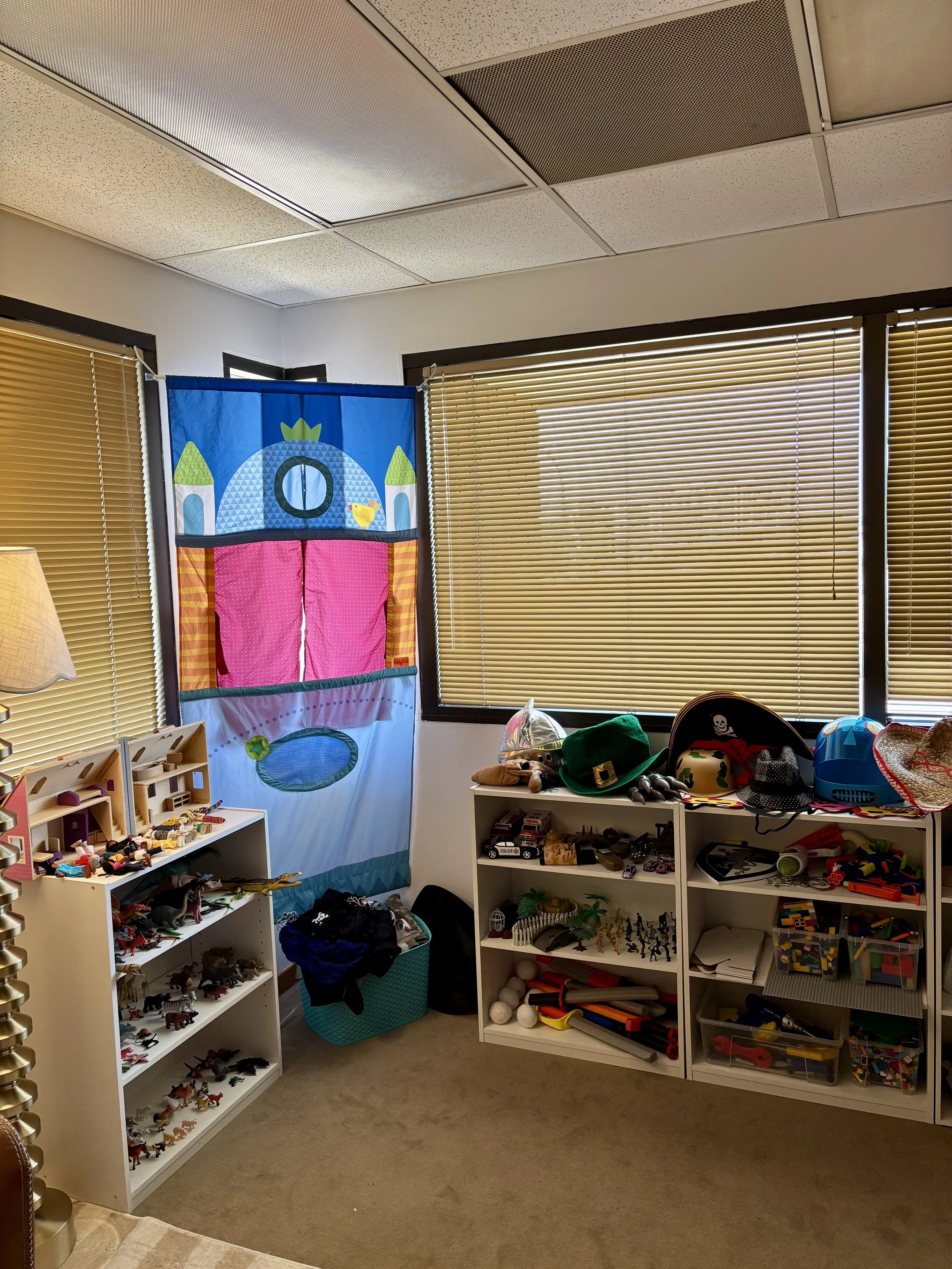
What is CCPT?
Child-Centered Play Therapy (CCPT) is a developmentally responsive, play-based mental health intervention for young children ages 3 to 10 who are experiencing social, emotional, behavioral and relational disorders. CCPT utilizes play, the natural language of children, and therapeutic relationship to provide a safe, consistent therapeutic environment in which a child can experience full acceptance, empathy, and understanding from the counselor and process inner experiences and feelings through play and symbols. In CCPT, a child’s experience within the counseling relationship is the factor that is most healing and meaningful in creating lasting, positive change. Based on person-centered principles, the overarching goal of CCPT is to unleash the child’s potential to move toward integration and self-enhancing ways of being. Child outcomes following CCPT include decreased symptomatic behaviors and improvement in overall functioning.
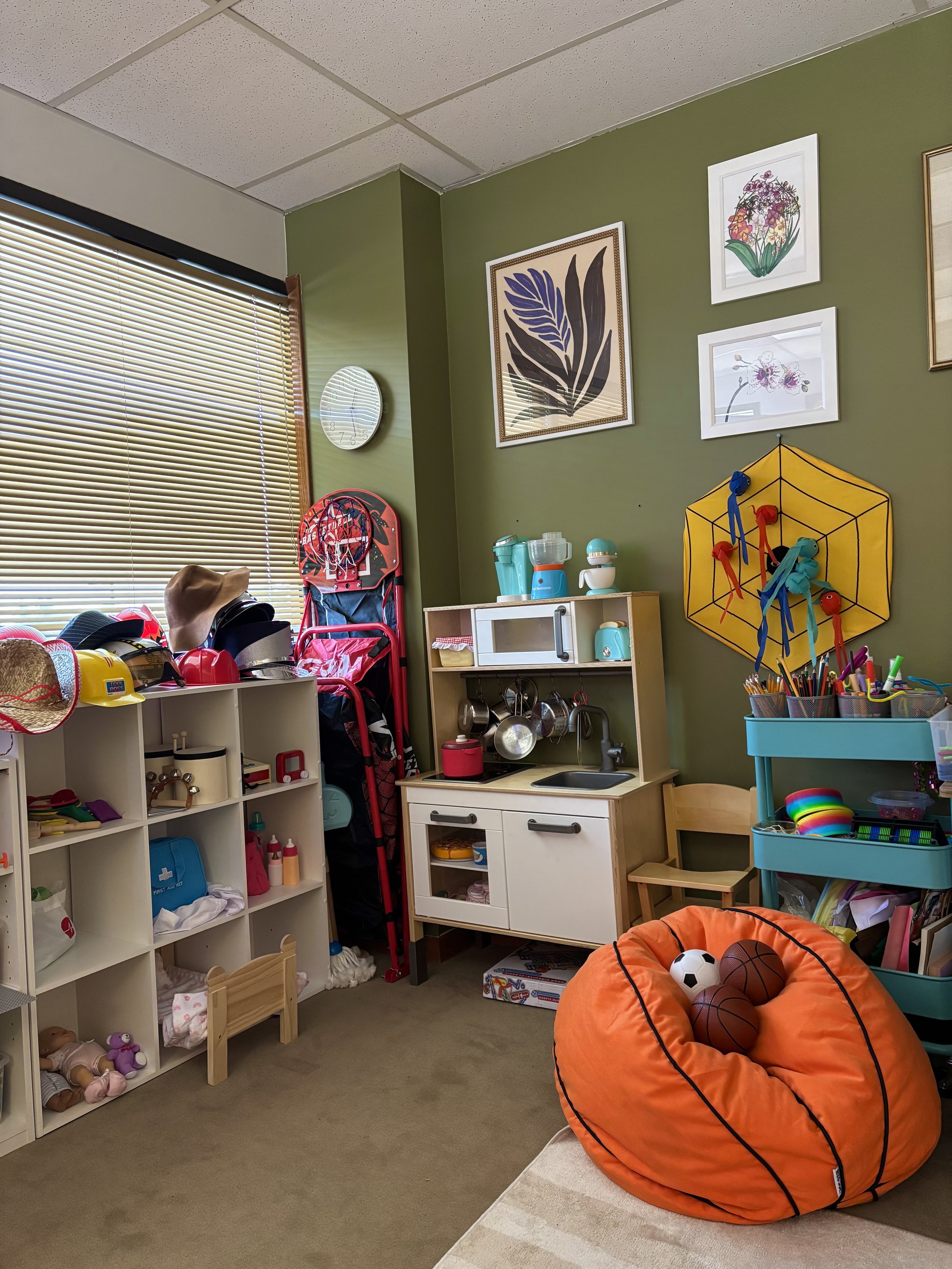
How can play therapy help?
Play therapy is a counseling approach in which the relationship between therapist and child is the foundation for therapeutic change. The therapist provides attitudinal conditions and developmentally appropriate materials to facilitate free expression and self-directed play of the child. Play serves as the child’s language. In a safe environment, the child moves toward positive behaviors and ways of being.
But how does all of this actually result in greater wellness, regulation, and behaviors for children? You may have noticed that even if your child has a strong vocabulary and ability to talk, they often struggle with expressing their feelings clearly or explaining why they do the things they do. In play therapy, your child will be able to express themselves in their developmentally appropriate language of play, often using the toys as words rather than talking. This is the first way that play therapy helps. The child expresses themselves more clearly and the therapist is skillful and attuned to listening in the language of play. This leads to less frustration for your child when they try to explain or understand themselves.